
We understand that siding is more than a design choice; it’s your home’s first defense against wind, rain, and temperature changes. The right material can improve energy efficiency, reduce maintenance, and protect your home for decades.
This is why at Storm Guard, every project starts with a free inspection to determine which siding service best fits your exterior needs.
Repair your siding when damage is isolated, and replace it when damage is widespread, keeps returning, or has reached the sheathing. Color is the usual limit on repairs: faded siding rarely matches a new panel.
| Repair when | Replace when |
|---|---|
| A few vinyl panels are cracked or wind-lifted | Panels are soft, warped, or buckling on more than one wall |
| One run of aluminum is dented | Seams are opening, and paint is failing throughout the house exterior |
| A single board has rotted | Moisture stains appear inside, or the repair list grows every spring |
| A matching product is still available | Hail or wind damaged several elevations |
Still unsure whether you need siding repair or replacement? For a closer look at the signs your siding needs replacing rather than repair, you can have Storm Guard inspect your exterior for free. We will tell you your siding’s condition and recommend what steps you can take next.


A Storm Guard siding replacement rebuilds the wall's water defenses first and installs the new siding last. Siding is the finish. The barrier and flashing behind it are what keep the water out, so that is where the crew starts.
Unlike other siding contractors, Storm Guard does not nail new vinyl over old wood or aluminum because it traps moisture and hides rot. Instead, our crews remove the old cladding to ensure quality work.
Most full residential siding replacements run one to two weeks, and there is no fix number because the duration depends on your home’s size and the project’s complexity. But keep in mind that a reliable contractor would include the schedule in the estimate so you’re not kept in the dark. To help the crews work faster, homeowners can clear the perimeter, take pictures of exterior walls, and keep children and pets inside before work begins.
When it comes to choosing a material for siding installation, it’s important to consider your climate, HOA rules, the home's architecture, and how long you plan to stay.
| Material | Best for | Maintenance |
|---|---|---|
| Vinyl | Most budgets, widest color range, never needs paint | Low |
| Fiber cement (James Hardie is the best-known maker) | Hail and fire-prone regions; resists fire, insects, and rot | Low to moderate |
| Engineered wood | Homeowners who prefer wood aesthetics but need a wood material that is treated for rot and insect resistance | Moderate |
| Wood and cedar shake | Authentic grain and texture | High |
| Board and batten (vinyl, fiber cement, or engineered wood) | Farmhouse and modern styles | Varies by material |
| Metal aluminum | Humid and coastal climates | Low |
| Stone veneer | Accents and entries | Low |
If your priority is durability, remember that durability follows a clear order: fiber cement outlasts vinyl, and vinyl outlasts untreated wood. You could also compare the four most common types of exterior siding to help you decide the right material for your home.
The number one driver of siding replacement cost is the wall itself, so an accurate number requires an on-site inspection. Here are the other factors that can affect the price:
You can try online calculators to get an estimate, but these calculators usually rely only on your wall size. Online calculators cannot see and count rot and exterior damages that could affect the replacement project. Building codes also vary per location, so scheduling a consultation with a trusted siding contractor can offer you a more accurate quotation.
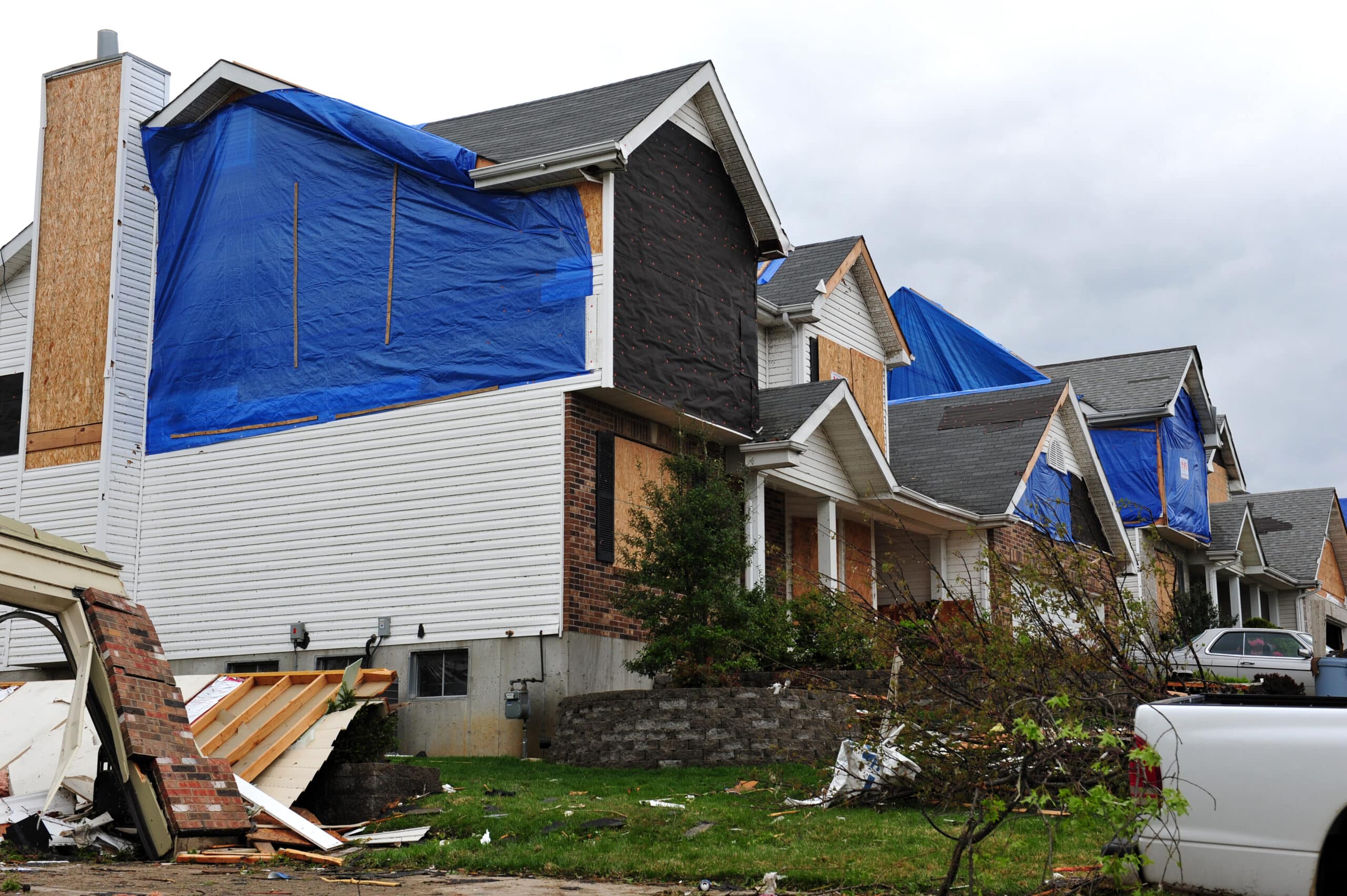
Storm damage to siding is easy to miss and often sits on the same elevations as roof damage. Look for:
A Storm Guard roof damage assessment can cover your home’s roof and siding in one visit after a severe weather and perform an emergency siding repair if needed. Our damage assessment also includes taking geo-tagged photographs and a written report you can share with your insurer. While we do not offer assistance in filing, processing, and negotiating a claim, Storm Guard can meet your adjuster on site. Also, be wary of any contractor offering to cover your deductible. It is illegal for a contractor to cover, waive, rebate, or absorb a homeowner’s insurance deductible in the United States.
Homeowners choose Storm Guard Roofing for local accountability backed by one national standard. Each team is locally owned and follows the same process on every wall.
Storm Guard backs its siding work with a workmanship warranty on top of the manufacturer's warranty on the materials.
Ready to replace your siding? Find your local Storm Guard team for a free inspection and a written estimate. Schedule an inspection today!
No single average applies, because price depends on the wall area, number of stories, material, layers removed, sheathing repairs, and local permits. Storm Guard provides a written, itemized estimate after a free inspection of every elevation.
Yes, when damage is widespread, panels are warping or soft, or moisture is reaching the sheathing. New siding stops water intrusion and resets the barrier and flashing. When damage is isolated to a few panels, a repair is the better value, and an inspection settles which applies.
Often, yes. Cracked or wind-lifted vinyl panels, a dented aluminum run or a single rotted board can be replaced individually when a matching product is still available. The limit is usually color: faded siding rarely matches new panels. Storm Guard checks for available matches during the inspection.
Most full residential siding replacements run one to two weeks, but as siding contractors, we write the schedule on the estimate so you can be aware. Our crews work one elevation at a time, so the house size, the material, the trim work, the weather, and any rot found under the old siding affect the timing..
Most homeowner’s policies cover sudden storm damage such as hail and wind, and do not cover wear, fading, or age. Your deductible remains your responsibility, and your own policy sets the terms. Storm Guard documents the damage with photographs and a written report, and can meet the adjuster on site.



Unless otherwise noted, each use of "Storm Guard," “us,” “we,” or “our” throughout Stormguardrc.com collectively refers to both the Storm Guard brand and the Storm Guard Franchise System, which is made up almost exclusively of independently owned and operated franchise locations.